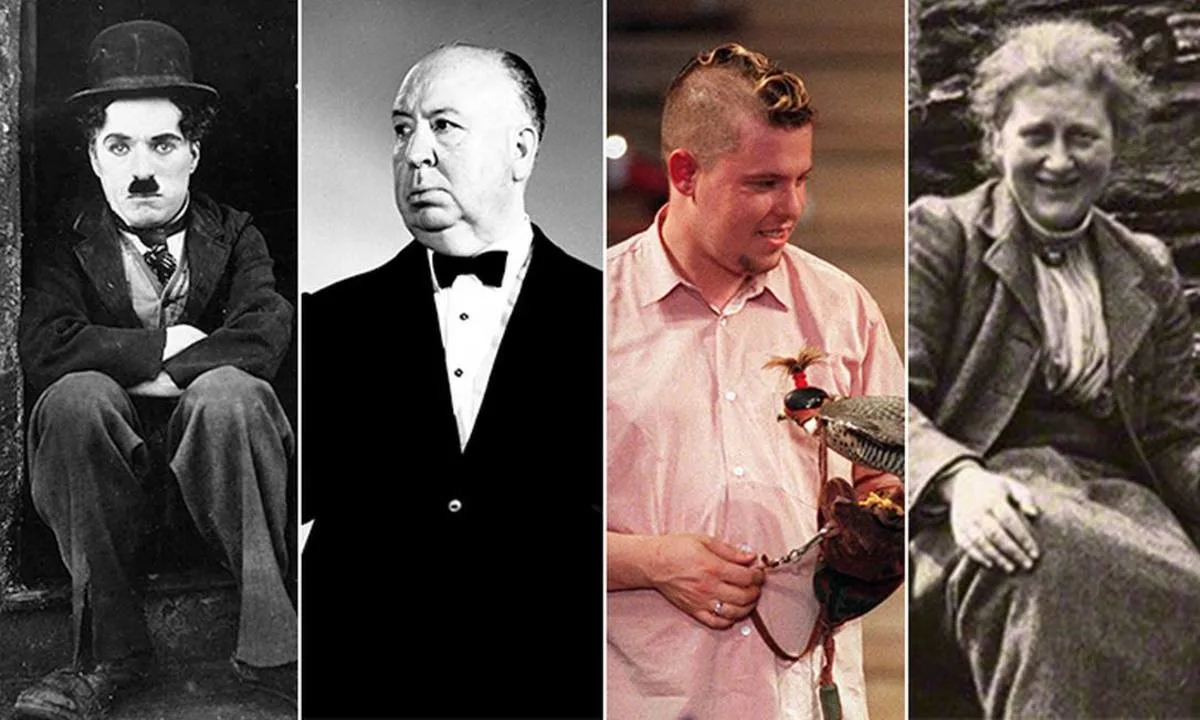
Not all of the actors in Hollywood films earned the same amount of money as the directors of the film! A number of the directors made shrewd financial investments that enabled them to accrue significant wealth, though stars were frequently assigned fixed salaries. These filmmakers had a number of means of monetizing the film long after it had hit the theaters, from box office profits to owning the movie rights.
This list of directors who got richer than the stars they filmed highlights famous names such as Alfred Hitchcock, Charlie Chaplin, and Walt Disney. They include the tales of the men who made their fortunes through creativity, business acumen, and shrewd investments.
Alfred Hitchcock Refused a Paycheck and made $15 Million
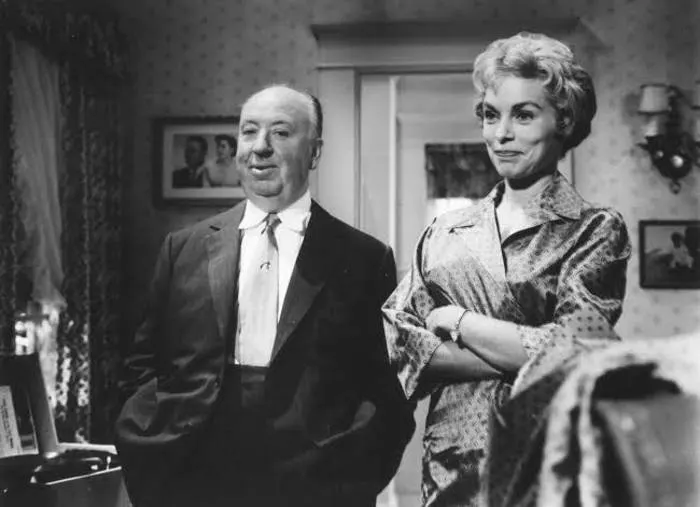
Alfred Hitchcock is a British-born director who directed some of the best suspense movies made. When Paramount refused to finance the film we know today as Psycho, Hitchcock used his own production company (and his own money) to produce it.
Instead of taking his usual fee as a director, he took 60% of the gross profits and ownership of the masters; it paid off - Psycho was a success and Hitchcock earned over $15million as a consequence. The stars Anthony Perkins and Janet Leigh each earned fixed salaries.
Read More: Director Alfred Hitchcock posing on the movie set of his suspense film Psycho.
Charlie Chaplin Owned Every Print of His Own Films
Unlike most actors, Charlie Chaplin not only starred in his movies but also invested in them and began distribution through the United Artists distribution company in 1919, working with director D. W. Griffith and actors Mary Pickford and Douglas Fairbanks to distribute his films.
He also financed his own films, bought the lot on which he made films, and held on to the rights to negatives of some of his films like The Gold Rush while supporting actresses who drew a salary. He died in 1977, leaving an estate valued at $50-$100 million.
Walt Disney Kept the Copyright on His Own Cartoon
Prior to starting his business, Walt Disney worked as a cartoonist and director. 1928: He made Steamboat Willie. When his company moved into making feature-length films, television shows, and theme parks, Disney kept the copyright and equity rather than sold the rights to the characters.
Disney's performers, like the man who provided the voice of Goofy, earned salaries, not royalties. Disney was worth over $100 million when he died in 1966.
Leo McCarey Out-Earned Every Person in America That Year
Leo McCarey, the Oscar-winning director of Going My Way, agreed to split the profits from Paramount instead of pocketing a flat fee.
By the time 1944 tax records were released, McCarey appeared on the list. He was not only the highest paid director in America that year but the highest-paid person. The studio paid his stars, Bing Crosby and Cary Grant, according to standard studio contracts.
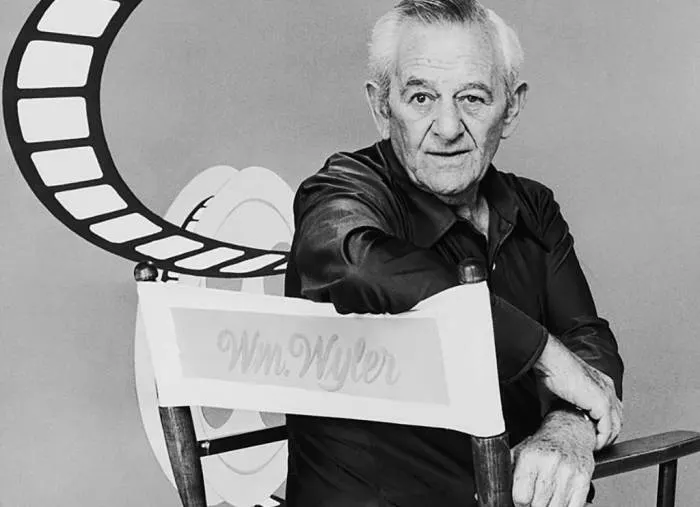
William Wyler Negotiated Hollywood's Richest Director Fee
William Wyler, who had won three Academy Awards, had no intention of receiving only a fat paycheck for making Ben-Hur, MGM's prime spectacle. He wanted $350,000 in advance, as well as 3 percent of the gross (not net) if the picture grossed more than $20 million.
As one of the top grossing pictures of the era, Ben-Hur earned Wyler a few more million. MGM paid his star, Charlton Heston, a vastly less generous flat fee for his services.
You May Also Read: 11 Abandoned Movie Sets You Can Visit in Real Life Today
Cecil B. DeMille Owned a Piece of the Studio Itself
DeMille didn't get rich from just one film. In 1913 he co-founded a film production company that would eventually fold into Paramount Pictures. He held an ownership stake in the company throughout his career and received a percentage of the profits for the rest of his life for all of his epics, including The Ten Commandments (1956), in which Heston starred as Moses.
The studio paid Heston a flat salary and gave him no ownership interest. His estate was worth over $4 million at the time of his death in 1959.
Michael Curtiz Put His Paychecks into Racehorses
Hungarian-American Casablanca director Michael Curtiz in the 1930s and 1940s earned from $3,000 to $5,000 a week in top studio pay. He did not puff it out.
Instead, he bought farms and land in southern California and thoroughbred race horses. His number one star, Errol Flynn, disappeared with thousands of dollars and left him buried in debt. In Curtiz, land and horses still paid.
King Vidor's Silent-Era Profits Became a Beverly Hills Estate
The film's director King Vidor earned backend profit points on a 1925 film, The Big Parade, at the time when it was the top-grossing silent film for MGM studio. He then bought 6 acres of lot on Summitridge Drive in Beverly Hills for $16,000 in 1936. And by century's end, they were worth hundreds of millions, exceeding Gilbert's income as the film's star.
Howard Hawks Put His Profits into Oil Wells
Unlike most directors who signed long-term contracts, Howard Hawks (The Big Sleep, Rio Bravo) refused to do so, choosing to be a freelance producer-director. Hawks also kept the backend points and rights to stories on his films, using the earnings to buy into California oil wells and real estate. Thus, Howard Hawks gained more money than the star actors he directed, such as Cary Grant or a young John Wayne.
Otto Preminger Built an Art Empire Outside the Studios
Since he began with the film The Moon Is Blue in the early 50s, Austrian filmmaker Otto Preminger made movies under his own terms rather than bowing to studio censorship. As an independent producer, he kept the master negatives and foreign distribution rights to his films. He poured the money into real estate and a $3.5m art collection, which made him far richer than some of the stars he employed, including Frank Sinatra and James Stewart.
FAQs
1. Which directors became richer than the actors in their movies?
Several directors built greater wealth than some of their stars through profit-sharing deals, film ownership, production companies, and investments. Alfred Hitchcock, Charlie Chaplin, and Walt Disney are notable examples.
2. How did directors earn more money than movie stars?
Some directors negotiated a percentage of box office profits, retained film rights, owned production companies, or invested their earnings in property and other businesses.
3. How did Alfred Hitchcock make money from Psycho?
Hitchcock produced Psycho through his own production company and negotiated a share of the film's profits instead of taking his usual directing fee.
4. Why did Charlie Chaplin invest in his own films?
Chaplin invested in production and distribution to maintain greater control over his work and benefit financially from his films.
5. Did all Hollywood directors earn more than their actors?
No. Earnings varied depending on contracts, film success, ownership rights, and investments. Many actors earned more than their directors, while some directors built greater long-term wealth.